
The Magnificent Journey of Car Customisation


Overview
Car customisation has evolved significantly from the late 19th century to today, reflecting technological advancements and personal expression. Initially focused on performance enhancements, it has grown to include aesthetic modifications and high-tech integrations like multimedia systems. The culture continues to thrive, with current trends showcasing creativity and sustainability in customisation. Future developments are expected to prioritise eco-friendly options and advanced technology integration, making car customisation a unique avenue for self-expression.
Contents
The world of car customisation has seen a fascinating evolution over the years, shaped by technological advancements, cultural shifts, and the love for personal expression. From the simple enhancements of the early days to today’s high-tech installations, customising a car reflects not just an owner’s preferences but an era’s style. Let’s take a journey through the history of car customisation, exploring key developments and trends.
The Early Days of Customisation
Customisation began soon after automobiles were introduced to the public in the late 19th century. With early entrepreneurs and mechanics modifying existing models to enhance performance, customisation quickly became a symbol of innovation.
1900s-1920s: The first custom builds often involved performance modifications and unique paint jobs. Carriages and various motors were used to modify early models, laying the groundwork for future developments.
1930s: Customisation expanded with the introduction of fixed-body styles. Enthusiasts began using art deco designs in their modifications, creating cars that were not only functional but stylish.
Post-War Boom
The end of World War II marked a pivotal moment for car manufacturing and customisation. The booming economy allowed more Americans to buy vehicles, and the automotive culture became a prominent aspect of American life.
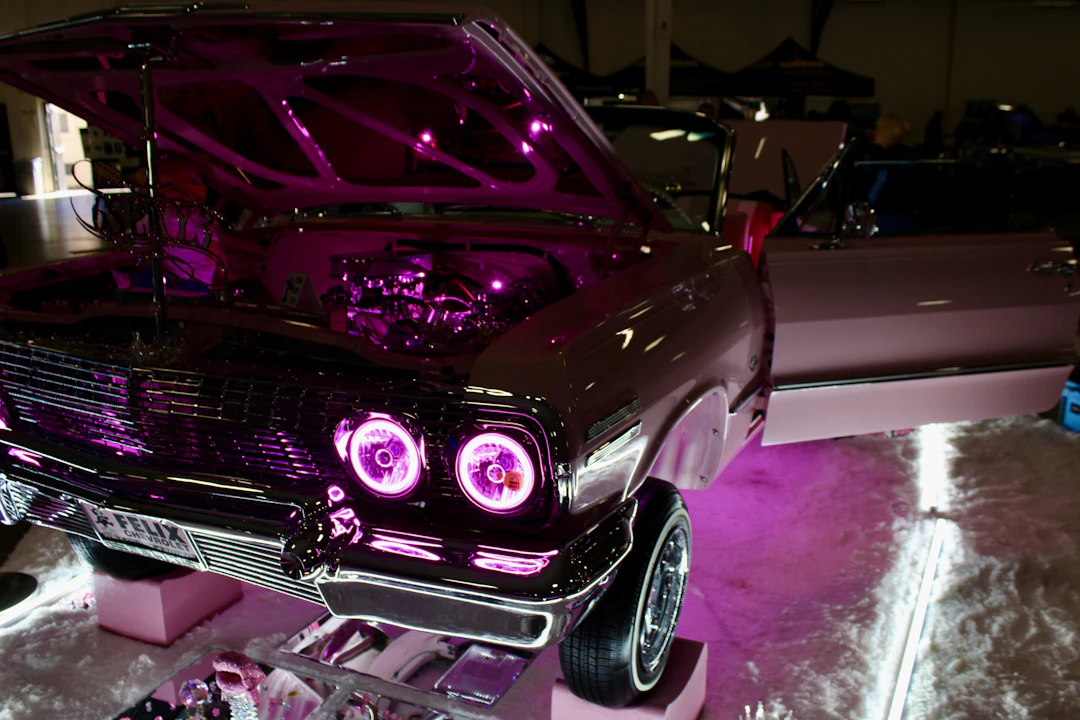
1950s: Car customisation became mainstream. Techniques such as body chopping, lowering suspensions, and adding cultural elements (like pinstriping) were common. This era also birthed the hot rod culture.
1960s: Muscle cars emerged, and performance-enhancing modifications took centre stage. Car owners were eager to participate in racing, pushing their vehicles to the limit.
The Emergence of Modern Customisation
By the 1970s and 1980s, car customisation evolved with more sophisticated technology. The introduction of aftermarket parts and components made customisation accessible and popular among a wider audience.
Window Tints: The application of window tints became common, improving aesthetics while providing privacy and UV protection.
Alloy Wheel Refurbishment: Custom wheels offered a means to enhance the appearance of vehicles, with refurbishments becoming a popular way to breathe new life into older models.
The Technological Revolution
Entering the 21st century, technological advancements have drastically changed the landscape of car customisation. The integration of technology into cars introduced a new dimension of convenience and connectivity.
2000s: Multimedia systems, navigation, and entertainment options proliferated. Car owners began investing in Multimedia Screen Upgrades with Carplay and YouTube for any car, enabling access to entertainment and media right from the dashboard.
Ambient Lighting: Car Ambient Lighting joined the customisation trend, providing colour options and helping to create personalised atmospheres within vehicles.
Current Trends in Car Customisation
More recently, the culture surrounding car customisation has continued to evolve, integrating more advanced technologies and fostering new trends.
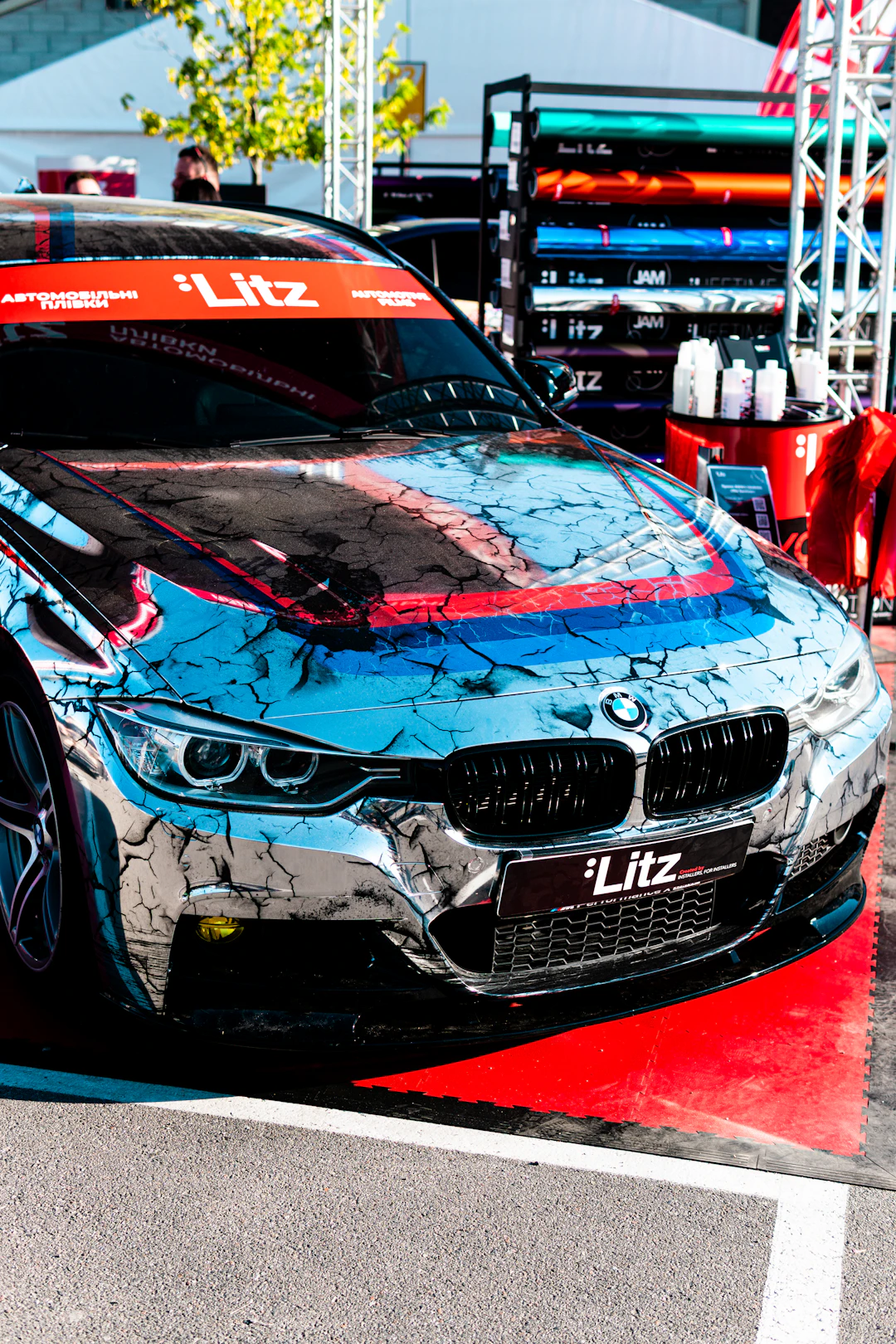
2010s-Present: The past decade has seen an explosion of creative customisation, with social media platforms allowing enthusiasts to showcase their modifications. This has prompted others to personalise their vehicles while blending functionality and style.
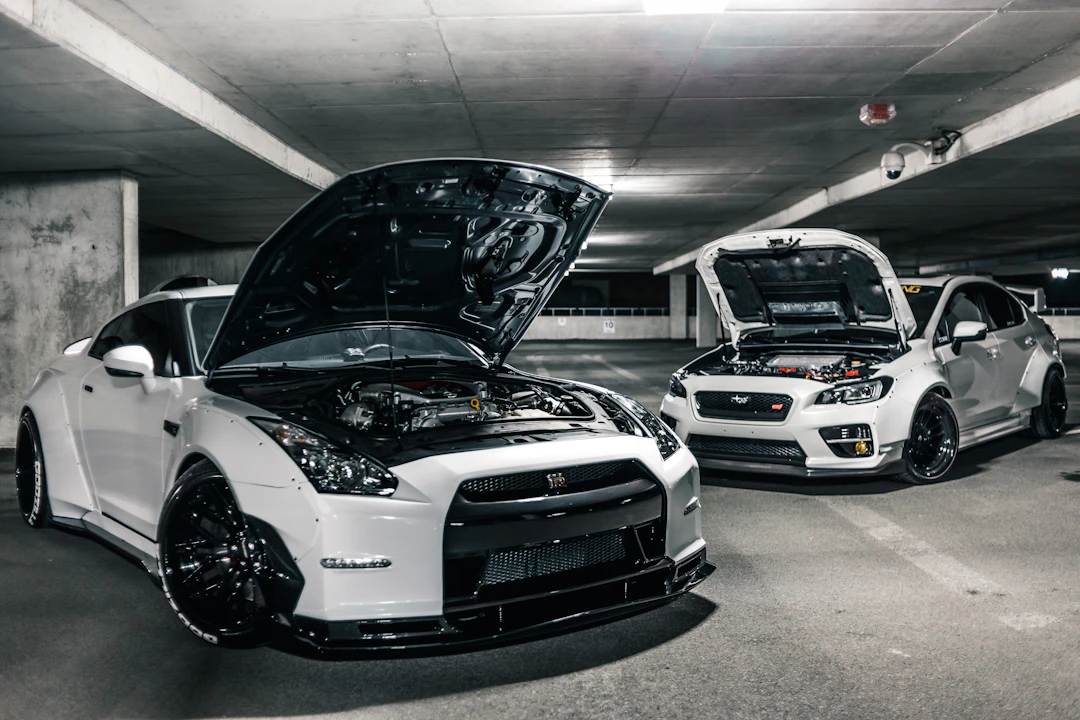
Customisation today includes everything from advanced CarPlay and Android Auto for any car systems to intricate body kits that enhance both appearance and performance.
The Cultural Impact of Car Customisation
Customisation is often rooted in cultural expression. From the early days of hot rods to today's intricate modifications, car enthusiasts express identity through their vehicles.
Car customisation allows people to showcase their personality, convey cultural significance, or simply stand out on the roads. Innovations also reflect broader trends in society—for instance, the rise in eco-friendly modifications and electric vehicle customisations showcases a growing environmental consciousness.
The Future of Customisation
Looking ahead, car customisation seems poised for another leap, driven by technological developments and sustainability goals. Expect to see developments including:
Eco-Friendly Modifications: Future custom vehicles will likely focus on environmentally friendly options, integrating solar panels and eco-conscious materials.
Advanced Integration: Continuous enhancements in systems like CarPlay and Android Auto may revolutionise how users interact with their vehicles, leading to more seamless and integrated experiences.
Embrace Your Individuality
Customising your vehicle is not just about aesthetics or performance—it's an avenue for self-expression and creativity. Whether looking to enhance your car’s interior with ambient lighting or upgrading your infotainment system with one of many Multimedia Screen Upgrades, the options are virtually limitless.
From humble beginnings to the high-tech showpieces of today, car customisation reflects not just an owner’s style but the ever-evolving relationship between humans and machines. Embrace the art of customisation, make your ride unique, and enjoy the journey in style!
Explore these products to enhance your car's features. Audi A6 A7 2011-2018 Wireless Apple Carplay Android Auto and Audi Q5/Q7 Ambient Lighting 2016- 2018 32 Colours.
Related Products
Audi A6 A7 2011-2018 Wireless Apple Carplay Android Auto - £320.00 - Multimedia touch screen with built-in Apple CarPlay and Android auto. It will use your OEM screen and enrich your car with many more features. Compat...
Audi Q5/Q7 Ambient Lighting 2016- 2018 32 Colours - £899.00 - 32 Colours Lighting Upgrade for Audi Q5 / Q7 from 2106 - 2018 - Top of the range product- The lighting can be programmed to the vehicle car scre...
BMW 1, 2, 3, 4 SERIES F30 F82 F20 F36 Android Screen 10.25” CarPlay Android Auto - £500.00 - ON PROMO is our cutting-edge 10.25-inch models tailored for BMW enthusiasts. Specifically crafted for the 1, X1, 2, X2, 3, X5, GT Models Series (F30/...
FAQs
What is the history of car customisation?
Car customisation began in the late 19th century, evolving significantly through the 20th and into the 21st century, with milestones in performance modifications, design aesthetics, and technological integration.
What were the key trends in car customisation during the 1950s and 1960s?
The 1950s saw car customisation become mainstream with techniques like body chopping and the hot rod culture, while the 1960s focused on performance enhancements with the rise of muscle cars.
How has technology influenced modern car customisation?
Technology has drastically changed car customisation, with advancements in multimedia systems, navigation, and ambient lighting, allowing for greater convenience and personalised experiences.
What cultural significance does car customisation hold?
Car customisation serves as a means of self-expression and cultural identity, allowing enthusiasts to showcase their personality and adapt vehicles to reflect social trends, including eco-friendly modifications.
What does the future of car customisation look like?
The future of car customisation is expected to focus on eco-friendly modifications and advanced integration of technology, enhancing user interactions with vehicles and promoting sustainability.
Comments